Metflow Engineers

Blog

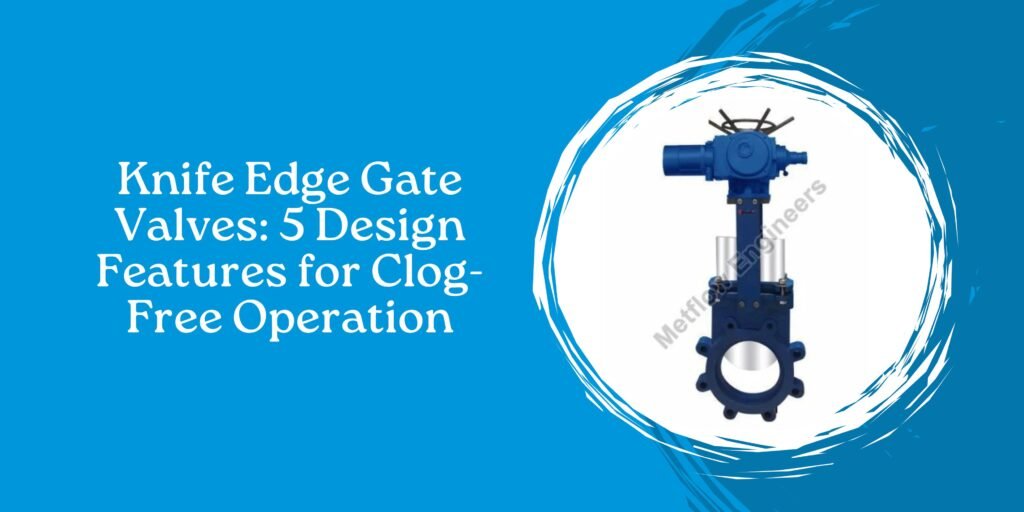
Knife Edge Gate Valves: 5 Design Features for Clog-Free Operation

Knife Edge Gate Valves: 5 Design Features for Clog-Free Operation

Standard gate valves often fail in slurry and heavy-media applications because solids get trapped in the seat pocket, preventing a full close. Knife Edge Gate Valves solve this by design. Featuring a sharp, beveled blade that shears through media and a specialized flow path, these valves are the ultimate solution for paper pulp, wastewater, and thick slurry. Here are the 5 design features that ensure your flow control stays clog-free.

Knife Edge Gate Valves: 5 Design Features for Clog-Free Operation Read More »

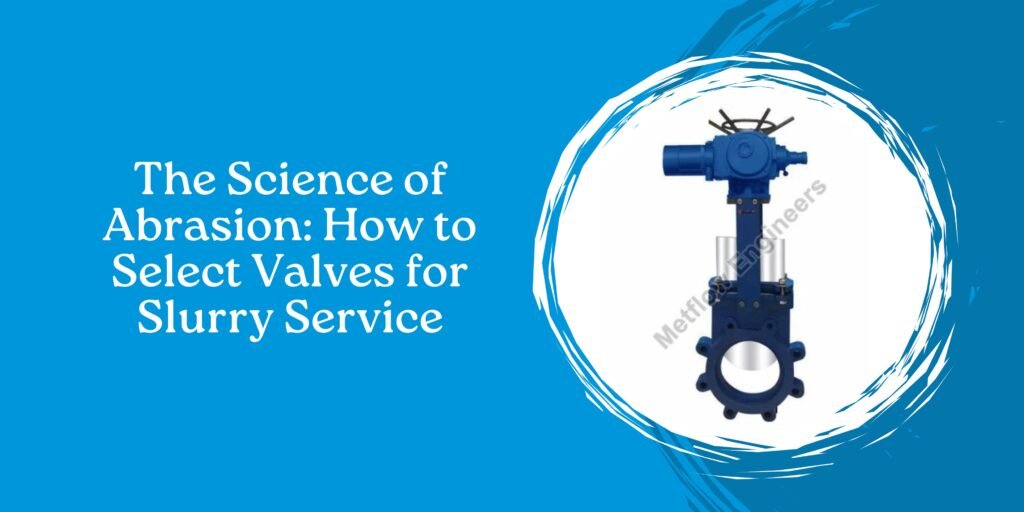
The Science of Abrasion: How to Select Valves for Slurry Service

The Science of Abrasion: How to Select Valves for Slurry Service

Slurry is a silent destroyer of industrial flow control systems. Whether it’s sand, ore, or paper pulp, the suspended solids act like sandpaper, scouring valve internals and forcing frequent, costly shutdowns. To survive, you cannot rely on “standard” valve specs. This guide dives into the science of erosion, the materials that provide a diamond-hard defense, and how to choose the right valve geometry—from Knife Edge Gate Valves to Pinch Valves—to keep your abrasive lines moving.

The Science of Abrasion: How to Select Valves for Slurry Service Read More »

Understanding Valve Pressure-Temperature Ratings

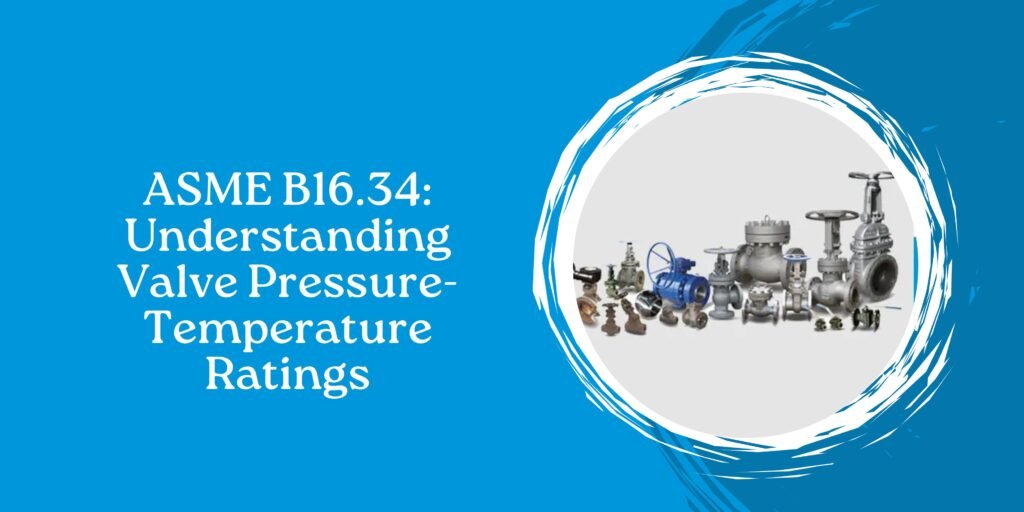
ASME B16.34: Understanding Valve Pressure-Temperature Ratings

“Class 800” is a familiar term, but it only tells half the story. The true safety of an industrial valve is defined by its Pressure-Temperature (P-T) rating, governed by the ASME B16.34 standard. As process temperatures climb, the allowable pressure capacity of even the highest-grade steel drops. This guide breaks down the science of P-T ratings, helping engineers prevent catastrophic failures by selecting the right valve for the right thermal environment.

ASME B16.34: Understanding Valve Pressure-Temperature Ratings Read More »

Forged vs. Cast Steel Valves: The Definitive Engineering Guide

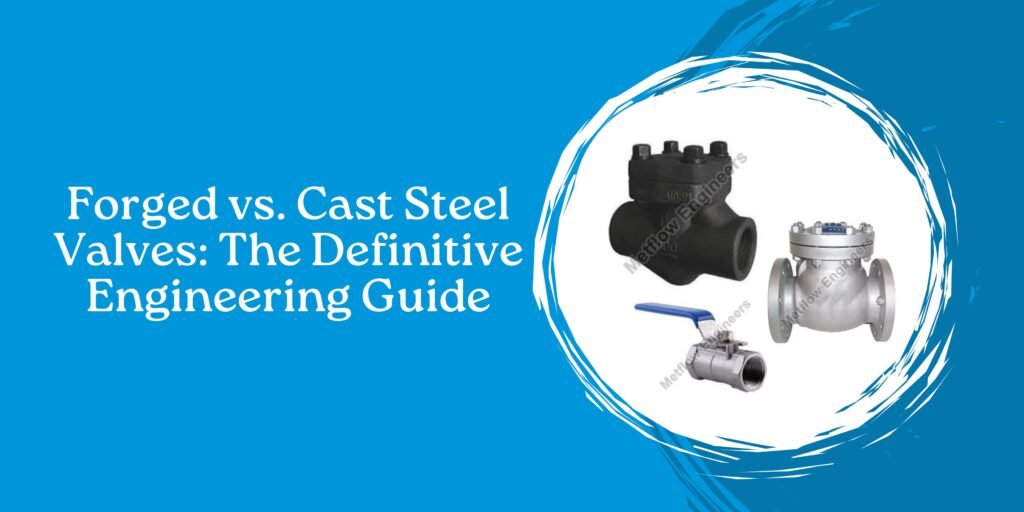
Forged vs. Cast Steel Valves: The Definitive Engineering Guide

In high-pressure and high-temperature environments, the manufacturing process of a valve body is just as important as the alloy itself. While cast valves offer versatility for large-bore systems, forged steel valves provide superior molecular density and structural reliability for critical lines. This guide breaks down the engineering differences between forging and casting to help you select the right valve for your system’s safety and longevity.

Forged vs. Cast Steel Valves: The Definitive Engineering Guide Read More »

Smart Valves: The Integration of IIoT in Industrial Flow Control

Smart Valves: The Integration of IIoT in Industrial Flow Control

The industrial landscape is shifting toward Industry 4.0, where data is as critical as the hardware itself. “Smart” flow control—integrating sensors and IoT monitoring with high-performance valves—is no longer a futuristic concept; it is a current necessity for preventing unplanned downtime. This guide explores how data-driven valve monitoring can revolutionize your plant’s efficiency, moving you from reactive repairs to true predictive maintenance.

Smart Valves: The Integration of IIoT in Industrial Flow Control Read More »

Industrial Valve FAQ: Your Technical Questions Answered

Industrial Valve FAQ: Your Technical Questions Answered

From deciding between Ball and Gate Valves to solving the destructive impact of Water Hammer and stem leakage, plant operations often hinge on quick, technical answers. This Industrial Valve FAQ serves as your comprehensive reference guide, addressing the most frequent engineering challenges in valve selection, material compatibility, and regulatory compliance (API/ASME). Whether you are in procurement or maintenance, find the expert insights needed to streamline your flow control decisions and extend the lifespan of your critical assets.

Industrial Valve FAQ: Your Technical Questions Answered Read More »

Project Spotlight: Engineering Reliability into High-Demand Systems

Project Spotlight: Engineering Reliability into High-Demand Systems

When a facility faces recurring downtime, the solution isn’t always a new valve—it’s a new strategy. In this case study, we examine how Metflow Engineers collaborated with a major [Client Industry, e.g., Chemical/Manufacturing] plant to diagnose a recurring failure and implement a long-term flow control solution. This look inside our engineering process highlights the value of material selection, precise testing, and proactive system design.

Project Spotlight: Engineering Reliability into High-Demand Systems Read More »

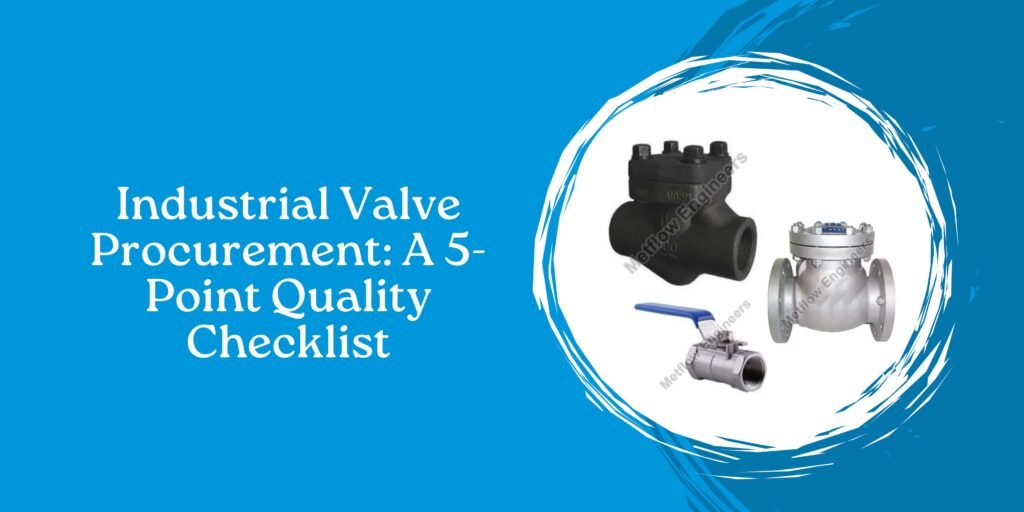
Streamlining Industrial Valve Procurement : A Guide for Project Managers

Streamlining Industrial Valve Procurement: A Guide for Project Managers

Procurement is the heartbeat of any industrial project. A delay in valve delivery can stall a multi-million dollar installation. Beyond just “price per unit,” successful procurement requires a focus on technical specification accuracy, material traceability, and proactive lead-time management. This guide provides project managers with a framework to streamline their valve sourcing and ensure zero-delay project execution.

Streamlining Industrial Valve Procurement: A Guide for Project Managers Read More »

Understanding Industrial Valve Standards: The Backbone of Plant Safety

In the global industrial market, safety and performance are not optional—they are defined by rigorous standards like API, ASME, and ISO. Understanding these certifications is vital for procurement managers and engineers to ensure that every Gate, Globe, or Ball Valve installed in a system is built for its specific pressure, temperature, and service environment. This guide simplifies the alphabet soup of valve compliance.

Understanding Industrial Valve Standards: The Backbone of Plant Safety Read More »

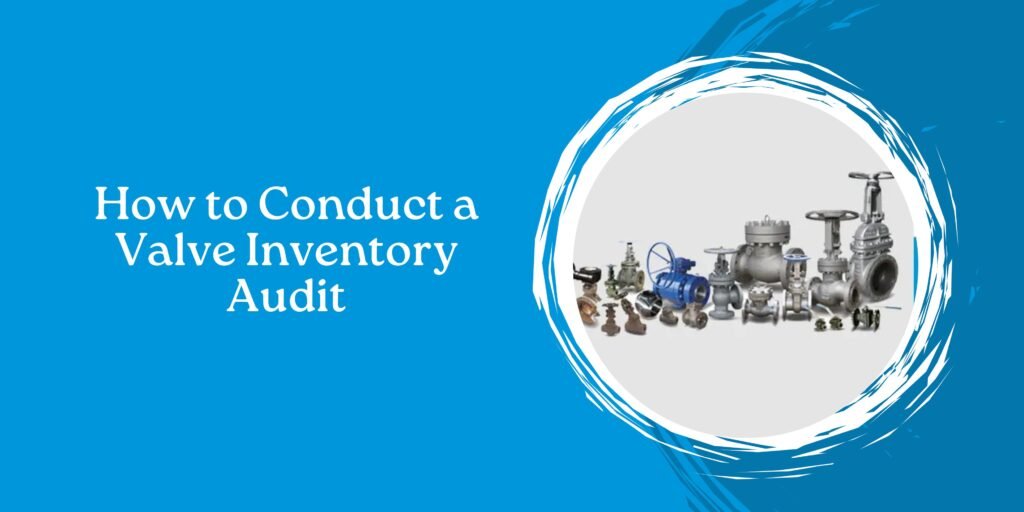
Valve Asset Management: The Tipping Point Between Repair and Replace

Valve Asset Management: The Tipping Point Between Repair and Replace

When an industrial valve fails, the symptom—a leak or a seized stem—is often the final stage of a much longer process. The true culprits are usually invisible: the violent collapse of vapor bubbles (cavitation), the abrasive scouring of process media (erosion), or the chemical breakdown of the valve body (corrosion). This expert guide helps you diagnose these “silent killers” and select the right metallurgy and design to stop premature failure.

Valve Asset Management: The Tipping Point Between Repair and Replace Read More »

Scroll to Top