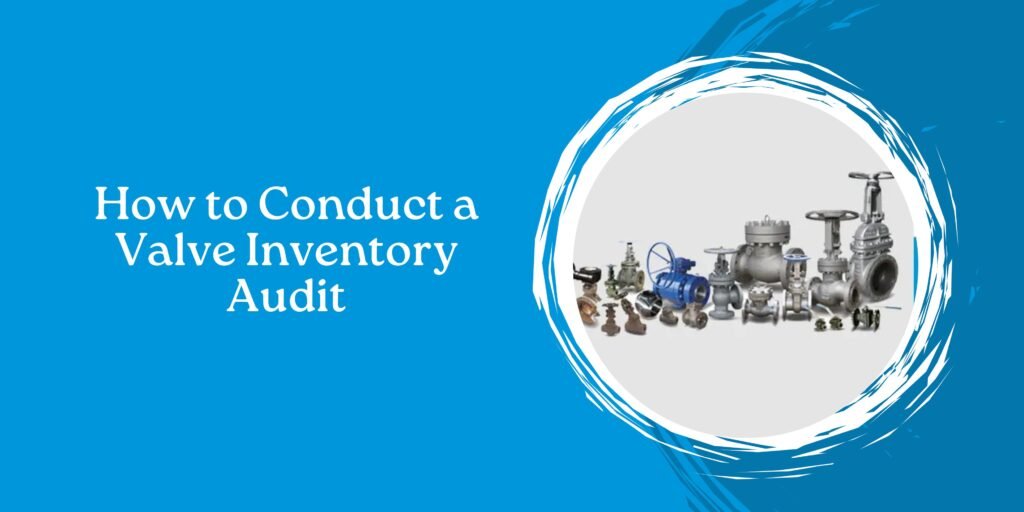
How to Conduct a Valve Inventory Audit
A successful turnaround isn’t just about what you replace—it’s about what you don’t have to replace because you maintained it correctly. Follow this 4-stage audit process to prepare your facility:
1. Categorization by Criticality
Not all valves are created equal. Audit your inventory by grouping them into three tiers:
- Tier 1 (Critical): Valves in “Single-Line” processes where failure leads to an immediate plant trip. These require 100% inspection and high-quality spares on hand.
- Tier 2 (Operational): Valves where failure causes reduced capacity or process inefficiency.
- Tier 3 (Utility): Non-critical valves where redundant systems exist.
2. Visual & Performance Inspection
Don’t wait for a leak to find a failure. During the audit:
- Check Stem Packing: Look for signs of minor weeping or dried-out packing.
- Actuator Response: Test the stroke time and responsiveness of motorized or pneumatic actuators.
- Material Integrity: Inspect valve bodies for signs of “erosion grooves” (typical in high-velocity lines) or corrosion.
3. Documentation Review (The “Paper Trail”)
An audit is only as good as the records behind it. Ensure you have:
- Mill Test Reports (MTRs): Essential for safety compliance in high-pressure lines.
- Maintenance History: Cross-reference the audit findings with previous repair logs. If a valve has been repaired twice in 18 months, it’s time for a replacement, not another patch.
4. The “Procurement Gap” Analysis
Once the audit is complete, compare your “needs” list against your current inventory. If you need a Forged Gate Valve with a specific trim, order it now. Lead times for specialized valves can be the primary bottleneck in a turnaround.
Conclusion: Audit for Reliability
A valve inventory audit is more than a chore; it is an investment in your plant’s uptime. By identifying needs months before the shutdown, you move from “emergency procurement” (high cost/high stress) to “planned supply” (optimized cost/low stress).
Need an expert eye on your valve inventory? Our technical team is available to assist your maintenance department with on-site valve audits. We can help you identify high-risk components and provide a vetted procurement list for your next turnaround.