Metflow Engineers

Metflow Engineers

Gate vs. Globe vs. Ball Valves: Choosing the Right Technology

Gate vs. Globe vs. Ball Valves: Choosing the Right Technology

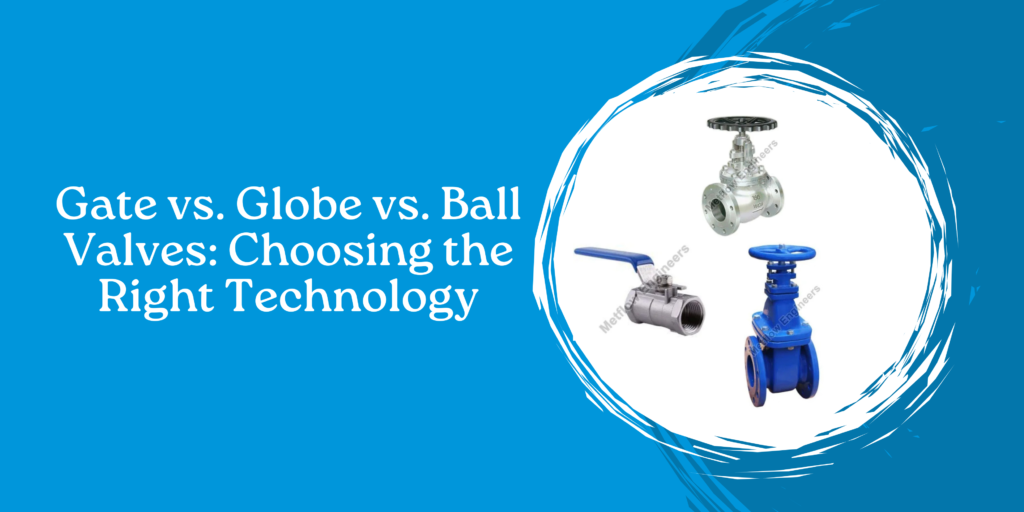
Selecting the right valve type for your pipeline is a critical engineering decision that dictates both the safety and the efficiency of your flow control system. A gate valve is perfect for isolation, a globe valve excels at throttling, and a ball valve offers rapid, reliable shut-off. This guide breaks down the core differences in construction and application to ensure you specify the right technology for your specific process conditions.

Gate vs. Globe vs. Ball Valves: Choosing the Right Technology Read More »
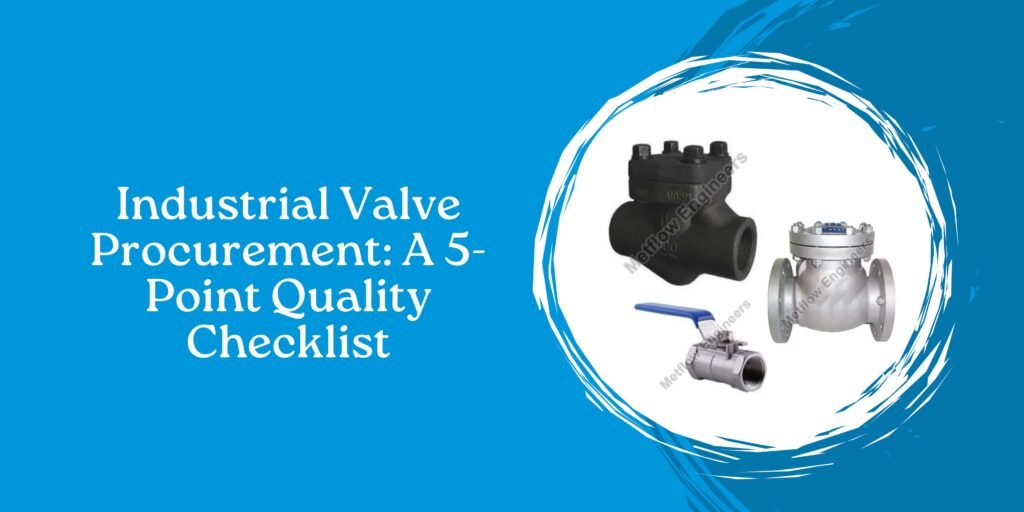
Industrial Valve Procurement: A 5-Point Quality Checklist

Industrial Valve Procurement: A 5-Point Quality Checklist

Procurement is more than just price comparison—it is an exercise in risk management. Whether you are sourcing valves for a new infrastructure project or a maintenance turnaround, your choices directly impact plant safety and long-term operating costs. This checklist outlines the five non-negotiable standards every procurement manager should verify before selecting an industrial valve manufacturer.

Industrial Valve Procurement: A 5-Point Quality Checklist Read More »

How to Conduct a Valve Inventory Audit for Plant Turnarounds

How to Conduct a Valve Inventory Audit

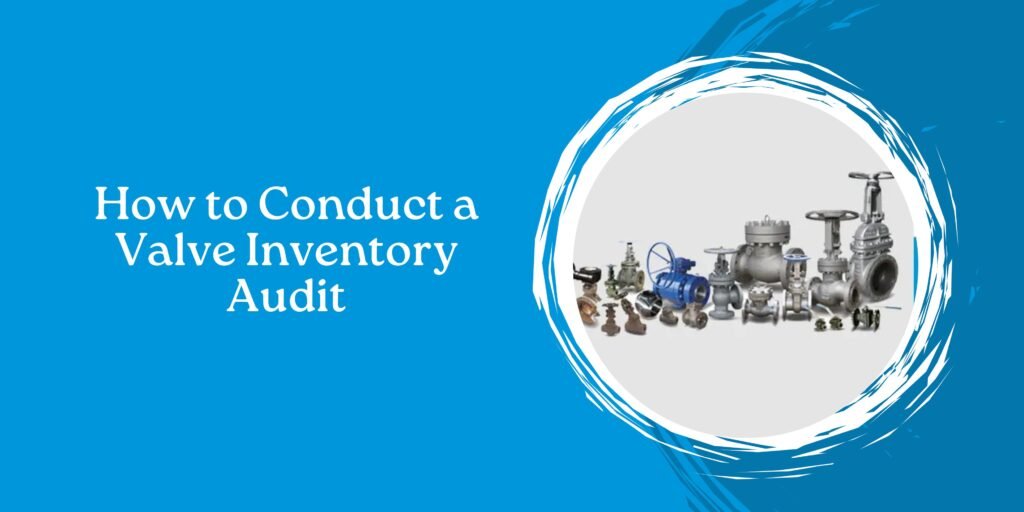
A plant turnaround is a high-stakes, time-sensitive operation. Every minute of delay costs thousands, and an undetected valve failure can derail your entire restart schedule. A professional Valve Inventory Audit is your most effective tool for minimizing risk. This guide provides a systematic framework for cataloging valve health, identifying “critical path” replacements, and ensuring your MRO (Maintenance, Repair, and Operations) budget is allocated where it matters most.

How to Conduct a Valve Inventory Audit Read More »

Globe Valve Trim Design: Precision Control for Industrial Media

The Hidden Cost of Cheap Valves: Calculating Total Cost of Ownership

When procuring industrial valves, the purchase price is only the beginning. The “Total Cost of Ownership” (TCO) includes installation, energy usage, routine maintenance, unplanned downtime, and the eventual cost of replacement. Often, a valve that is “cheap” to buy becomes the most expensive asset in your plant when you factor in the labor and lost production time caused by early failure. This guide explains how to look beyond the invoice and calculate the real financial impact of your valve procurement strategy.

The Hidden Cost of Cheap Valves: Calculating Total Cost of Ownership Read More »

Globe Valve Trim Design: Precision Control for Industrial Media

Globe Valve Trim Design: Precision Control for Industrial Media

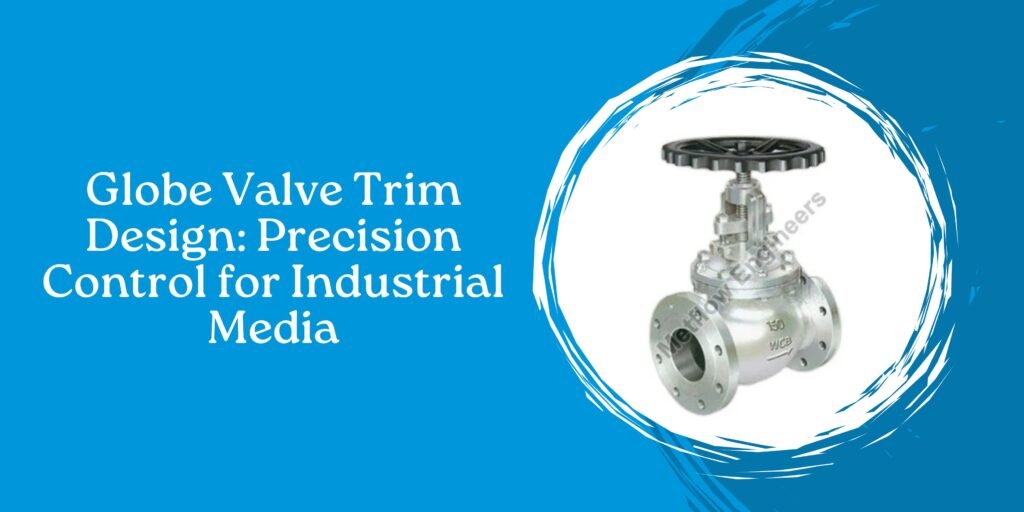
In the world of flow control, not all valves are designed for regulation. While gate valves are meant for full open/closed operation, Globe Valves are engineered specifically for throttling. The secret to their performance lies in the “trim”—the internal components that shape the flow path. This technical guide explores how different trim geometries transform fluid velocity, allowing for the precise regulation required in steam, chemical, and fuel systems.

Globe Valve Trim Design: Precision Control for Industrial Media Read More »

Optimizing Pump Efficiency: The Impact of Check Valve Sizing

Optimizing Pump Efficiency: The Impact of Check Valve Sizing

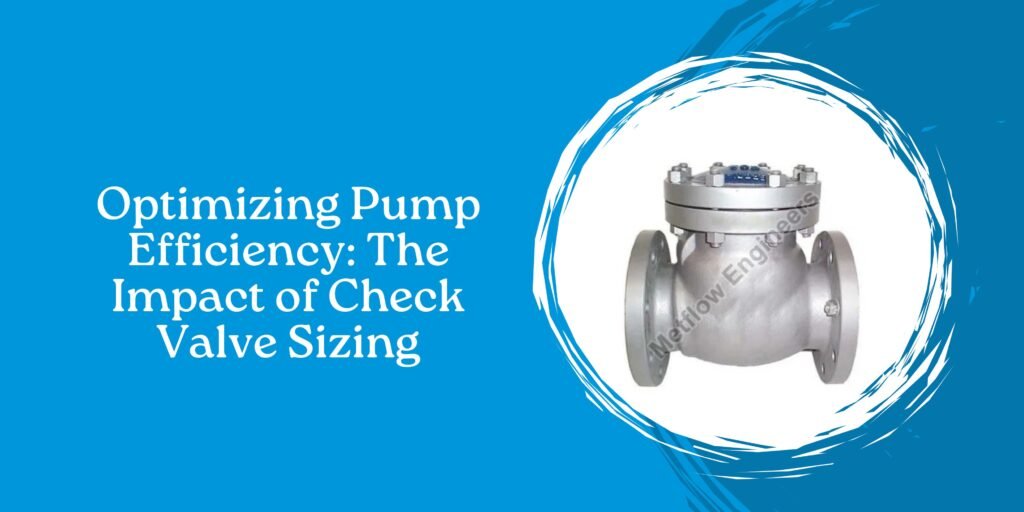
A pump system is only as efficient as its weakest component. Often overlooked, the Check Valve is the “unsung hero” that dictates system head loss, prevents dangerous pressure surges, and protects your pump from backflow damage. If your valve is incorrectly sized or the wrong type, you are effectively “choking” your pump, leading to wasted energy and accelerated wear. This guide explains how to size your check valves to maximize flow efficiency and extend the life of your entire pumping station.

Optimizing Pump Efficiency: The Impact of Check Valve Sizing Read More »

Knife Edge Gate Valves: 5 Design Features for Clog-Free Operation

Knife Edge Gate Valves: 5 Design Features for Clog-Free Operation

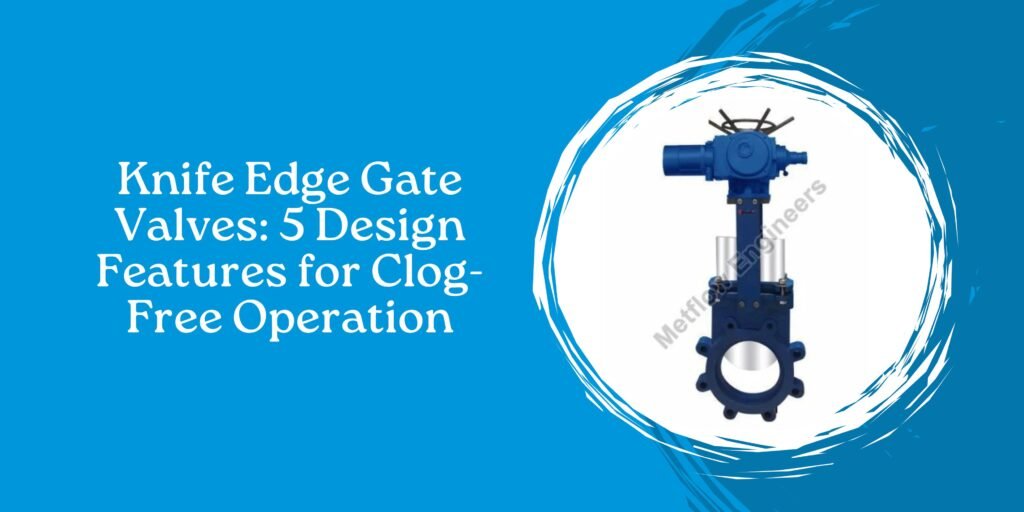
Standard gate valves often fail in slurry and heavy-media applications because solids get trapped in the seat pocket, preventing a full close. Knife Edge Gate Valves solve this by design. Featuring a sharp, beveled blade that shears through media and a specialized flow path, these valves are the ultimate solution for paper pulp, wastewater, and thick slurry. Here are the 5 design features that ensure your flow control stays clog-free.

Knife Edge Gate Valves: 5 Design Features for Clog-Free Operation Read More »

The Science of Abrasion: How to Select Valves for Slurry Service

The Science of Abrasion: How to Select Valves for Slurry Service

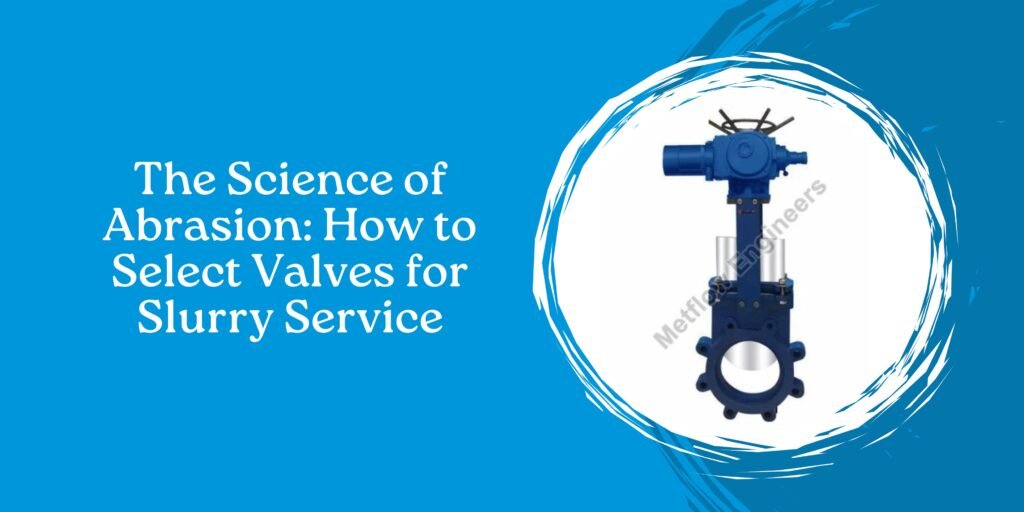
Slurry is a silent destroyer of industrial flow control systems. Whether it’s sand, ore, or paper pulp, the suspended solids act like sandpaper, scouring valve internals and forcing frequent, costly shutdowns. To survive, you cannot rely on “standard” valve specs. This guide dives into the science of erosion, the materials that provide a diamond-hard defense, and how to choose the right valve geometry—from Knife Edge Gate Valves to Pinch Valves—to keep your abrasive lines moving.

The Science of Abrasion: How to Select Valves for Slurry Service Read More »

Understanding Valve Pressure-Temperature Ratings

ASME B16.34: Understanding Valve Pressure-Temperature Ratings

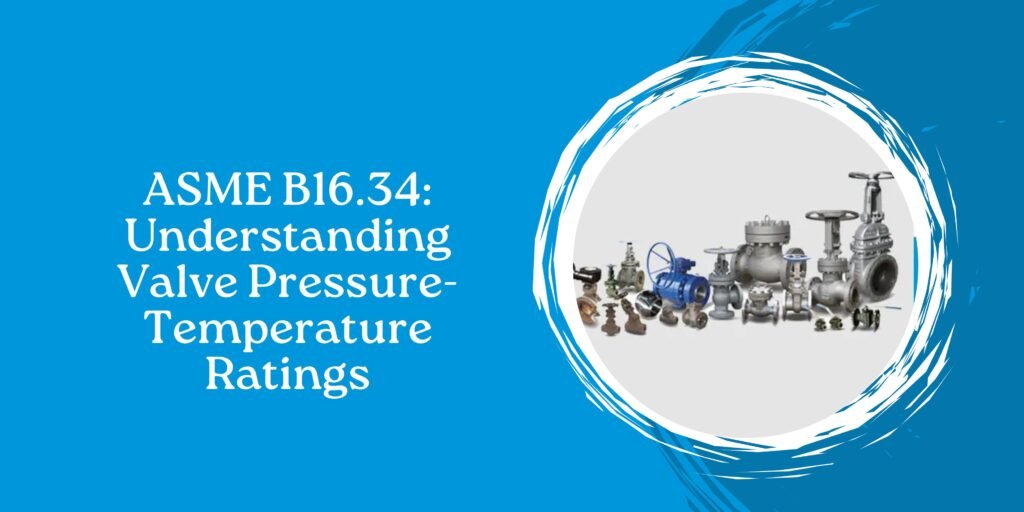
“Class 800” is a familiar term, but it only tells half the story. The true safety of an industrial valve is defined by its Pressure-Temperature (P-T) rating, governed by the ASME B16.34 standard. As process temperatures climb, the allowable pressure capacity of even the highest-grade steel drops. This guide breaks down the science of P-T ratings, helping engineers prevent catastrophic failures by selecting the right valve for the right thermal environment.

ASME B16.34: Understanding Valve Pressure-Temperature Ratings Read More »

Forged vs. Cast Steel Valves: The Definitive Engineering Guide

Forged vs. Cast Steel Valves: The Definitive Engineering Guide

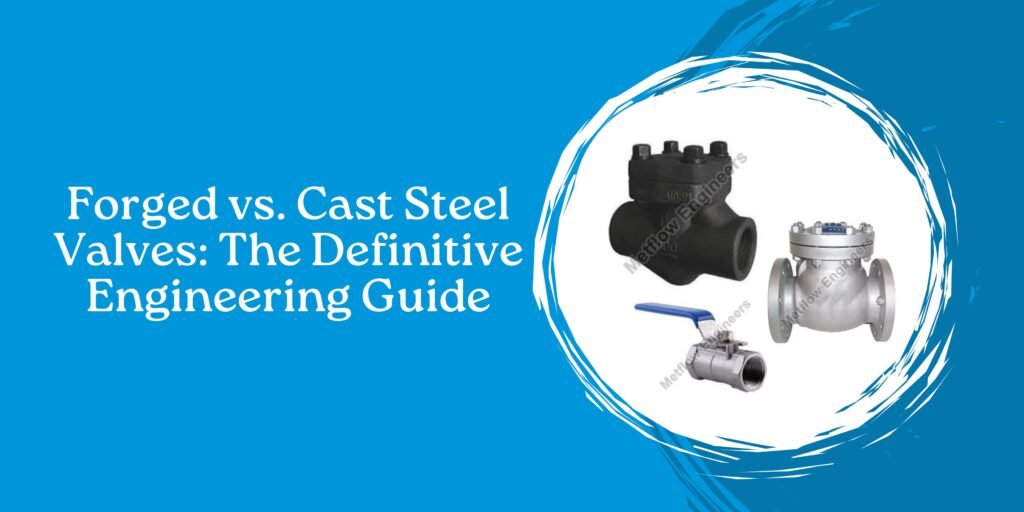
In high-pressure and high-temperature environments, the manufacturing process of a valve body is just as important as the alloy itself. While cast valves offer versatility for large-bore systems, forged steel valves provide superior molecular density and structural reliability for critical lines. This guide breaks down the engineering differences between forging and casting to help you select the right valve for your system’s safety and longevity.

Forged vs. Cast Steel Valves: The Definitive Engineering Guide Read More »

Scroll to Top