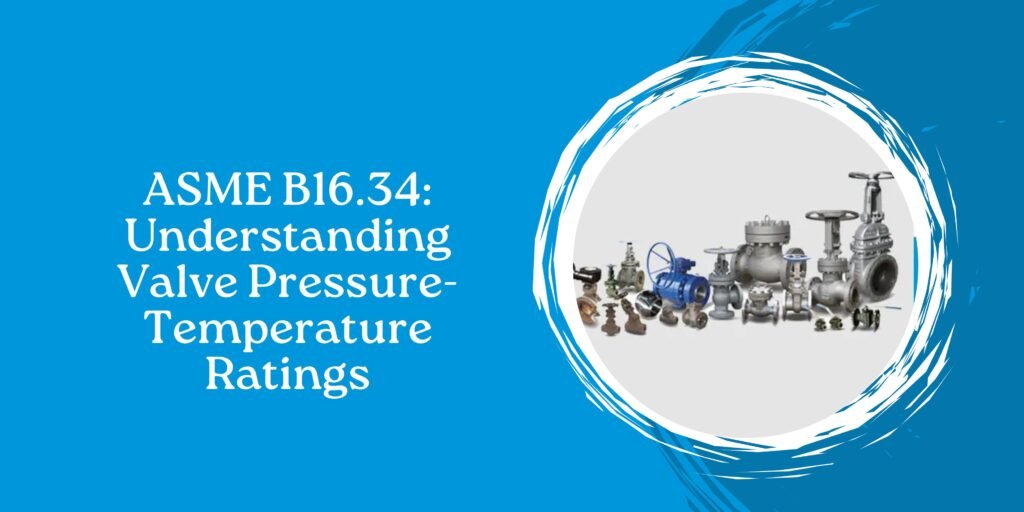
ASME B16.34: Understanding Valve Pressure-Temperature Ratings
In industrial piping, you will often hear valves referred to by their “Class”—Class 150, 300, 800, etc. Many assume this number represents the maximum pressure the valve can handle at all times. This is a dangerous misconception.
The standard ASME B16.34 dictates that a valve’s pressure capacity is intrinsically linked to its operating temperature. As the temperature of the fluid inside your pipeline rises, the structural strength of the valve material decreases.
1. The Relationship: Why Pressure Drops as Heat Rises
Metal is not static. At ambient temperatures, carbon steel (like WCB) is incredibly strong. However, as process media heats up (e.g., in steam or thermal oil lines):
- Molecular Softening: The metallic bonds begin to lose some of their stiffness.
- Creep Potential: Sustained high heat can cause the material to deform slowly over time.
ASME B16.34 provides the “P-T Rating Tables” that act as the source of truth for these limits. If you are operating a Cast Steel Gate Valve at 400°C, you cannot treat it as if it is at 20°C. You must reference the table to determine the derated maximum allowable pressure.
2. How to Read a P-T Rating Table
When you look at our Material Test Reports (MTRs) or our technical specifications, you will see a P-T chart. Here is how to use it:
- Identify your material: (e.g., ASTM A216 WCB or A105 Forged).
- Determine your maximum operating temperature: This should include the “upset” conditions (the highest temperature the system could possibly reach).
- Cross-reference: Find the allowable pressure rating for that specific temperature.
Pro Tip: Always select a valve that has a safety margin. Never operate a valve at the absolute edge of its P-T curve.
3. Application: Why This Matters for Your Projects
- Steam Systems: Since steam temperatures are high, your “Class 300” valve might be derated significantly. You may need a “Class 600” valve to handle the pressure at that specific steam temperature.
- Cryogenic Service: Conversely, at extremely low temperatures, some materials become brittle. Specialized Cryogenic Globe Valves are required to handle those specific thermal profiles without fracturing.
4. Metflow’s Commitment to Compliance
We build our valves to exceed the requirements of ASME B16.34. This includes:
- Controlled Wall Thickness: Ensuring the valve body is thick enough to meet the rating at the maximum rated temperature.
- Precision Machining: Ensuring that the seat/disc interface maintains a seal even when the body experiences thermal expansion.
- Traceability: Every valve we ship comes with the documentation required to verify its rating against ASME standards.
Conclusion: Don’t Guess, Verify
A valve is only as safe as the data behind it. Before you sign off on a piping design or procure a valve package, verify the operating temperatures against the ASME B16.34 tables.
Need help calculating the right pressure class for your thermal requirements? Don’t risk a mismatch. Send us your P&ID or process conditions, and our engineering team will perform a specification check to ensure your valve selection is compliant and safe.