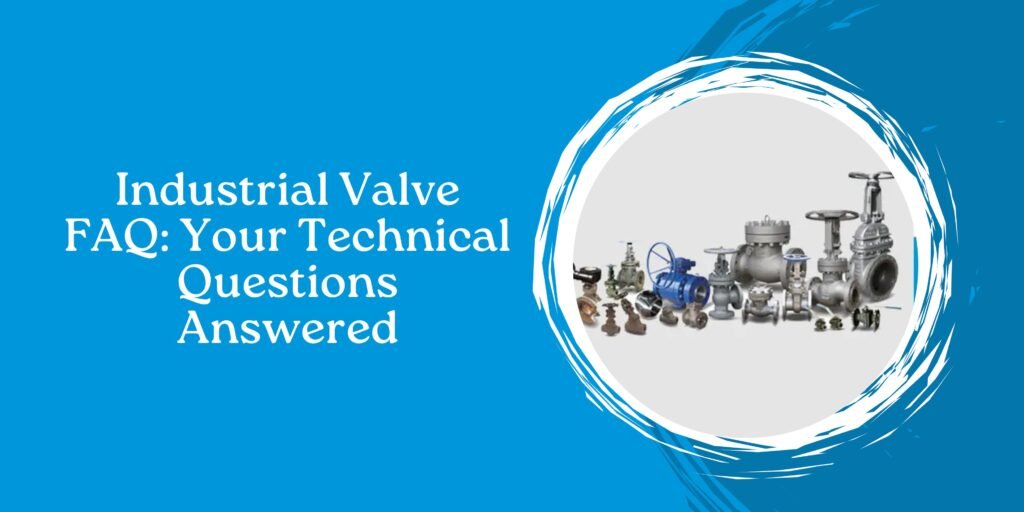
Industrial Valve FAQ: Your Technical Questions Answered
At Metflow Engineers, we speak to plant managers, procurement officers, and maintenance engineers every day. While every system is unique, the core engineering challenges remain the same. We’ve compiled the most frequent questions we receive into this Valve Engineering FAQ to help you make faster, more informed decisions.
1. Selection & Materials
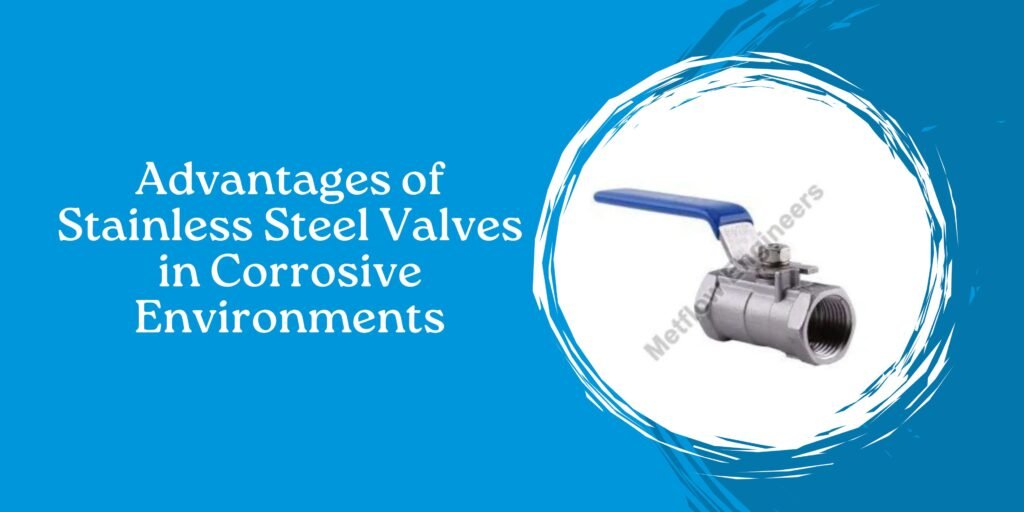
Q: How do I choose between a Ball Valve and a Gate Valve?
- Answer: Use a Ball Valve for quick, on/off isolation where you need a bubble-tight seal. Use a Gate Valve for applications where you need full-bore flow with minimal pressure drop, or where the valve is left in a fully open/closed position for long periods.
- Read more: Ball Valve vs. Gate Valve
Q: Why is WCB (Carbon Steel) not always the best choice?
- Answer: While WCB is strong and affordable, it lacks corrosion resistance. In moist, chemical, or saline environments, it will rust. For those applications, you should move to Stainless Steel (SS304 or SS316).
- Read more: WCB vs SS304 vs SS316
2. Maintenance & Performance
Q: What is the most common cause of “Valve Slam” (Water Hammer)?
- Answer: Water hammer is usually caused by the rapid reversal of fluid flow, which causes the Check Valve to slam shut. Replacing standard swing checks with Dual Plate Check Valves or Single Plate Check Valves is the most common solution.
- Read more: Water Hammer Prevention
Q: My valve has a persistent leak at the stem—what should I do?
- Answer: Before assuming the valve is broken, check the gland packing. Over-tightening or thermal cycling can loosen the seal. Try a “quarter-turn” adjustment on the gland bolts in a cross-pattern.
- Read more: Solving Gland Packing Leaks
3. Standards & Quality
Q: Why does “API Certification” matter for my project?
- Answer: API (American Petroleum Institute) standards are the global benchmark for safety in critical industries. An API-compliant valve guarantees that the design has been tested for high-pressure integrity, temperature limits, and safety.
- Read more: Navigating Industrial Valve Standards
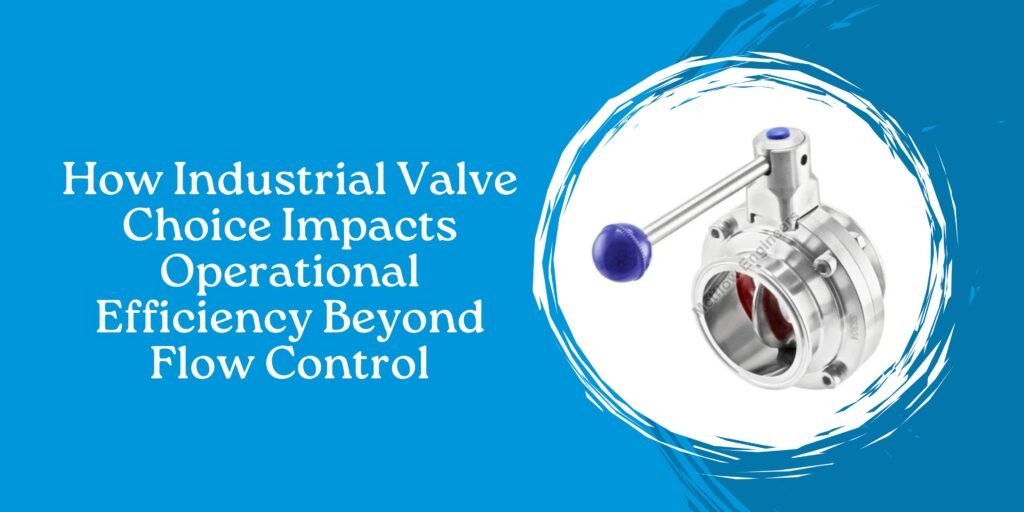
Q: What is the difference between Wafer and Lugged Butterfly Valves?
- Answer: A Wafer type is lightweight and held between pipe flanges by bolts. A Lugged type has threaded inserts, allowing you to disconnect one side of the pipeline without interrupting the flow on the other side.
- Read more: Wafer vs. Lugged Butterfly Valves
Still Have Questions?
If you didn’t find the answer you were looking for, don’t worry. Our technical team is available to provide detailed consultations tailored to your specific system requirements.
Contact the Metflow Engineers Technical Team:
- Technical Advice: Get help with valve sizing and material selection.
- Procurement Support: Request a quote for your next project.
- Maintenance Audits: Schedule a site visit to audit your current valve inventory.