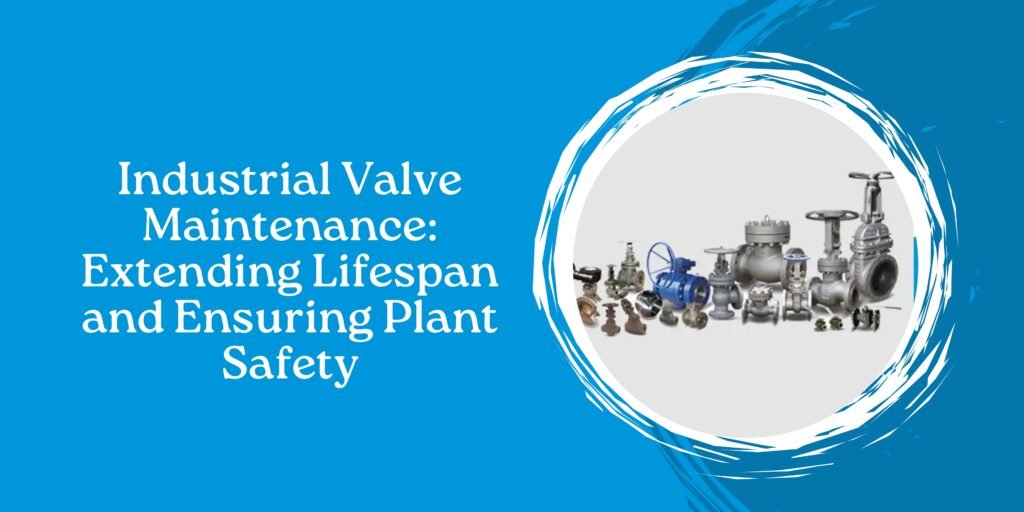
Industrial flow control valves are critical assets, representing significant investment and serving as the primary barrier between your process fluids and the environment. Over time, factors like thermal cycling, pressure spikes, and media abrasion inevitably cause wear.
Ignoring preventative maintenance is not an option; it leads to higher operational costs, energy loss from leaks, and, most critically, poses a major safety risk. As manufacturers committed to long-term reliability, Metflow Engineers emphasizes the importance of a structured maintenance program.
This guide covers key areas for ensuring the safety and longevity of your industrial valves.
1. Focus Area 1: Gland Packing Integrity (The Common Leak Point)
The gland packing seals the valve stem to prevent media leakage to the atmosphere. This is the most common external leak source, particularly in linear motion valves like Gate and Globe Valves.
Maintenance Checklist:
- Tightening: Periodically check and adjust the gland bolts (gland follower) to ensure correct compression.
Caution: Overtightening can cause excessive torque, damaging the stem and preventing smooth operation. - Replacement Schedule: For valves in severe service (high temperature/pressure), establish a replacement schedule for the packing
(e.g., PTFE or Graphite) before significant degradation occurs. - Leak Detection: Use infrared or chemical sniffing tools to detect minor fugitive emissions early, especially in systems handling toxic or volatile media.
2. Focus Area 2: Seat and Seal Leakage (The Efficiency Killer)
Internal leakage past the seat wastes product, compromises batch integrity, and erodes the valve internals (wire drawing). A valve must be periodically tested to confirm its tight shut-off capability.
Troubleshooting Tips:
- Ball Valves: If a Ball Valve leaks when closed, the soft seats are likely damaged by debris or excessive pressure drop during a partial opening (throttling).
Solution: Replace the seat material.Internal Linking Point: To protect your valve seats, always install a
Y Type Strainer upstream of sensitive valves. - Gate Valves:
A leaking Gate Valve may have solid debris trapped on the seat ring or erosion on the wedge.
Solution: Cycling the valve sometimes clears debris; otherwise, disassembly and lapping or replacement are necessary. - Check Valves:
If a Check Valve leaks back, inspect the sealing surface for pitting or debris lodged under the disc, preventing full closure.
3. Focus Area 3: Operational Safety and Damage Prevention
Proactive measures can prevent major component damage and system failures.
| Safety/Prevention Item | Valve Type Affected | Action |
|---|---|---|
| Preventing Water Hammer | Check Valves | Ensure the correct valve type is used (e.g., Dual Plate Check Valve instead of a slow Swing Check Valve) to minimize slamming. |
| Lubrication | Globe and Gate Valves | Ensure the yoke sleeve threads are clean and lubricated to minimize operating torque and prevent stem seizure. |
| Thermal Protection | Cryogenic Valves | Ensure the Long Stem area remains dry and free of ice buildup that could lock the stem. |
| Storage | All Valves | Store spare valves closed, with protective end caps, and indoors to prevent atmospheric corrosion or foreign material ingress. |
4. Metflow Engineers: Quality Engineered for Maintenance
Our commitment to quality, backed by our ISO 9001-2015 certification, means our valves are built for easier, less frequent maintenance. We focus on durable materials, precise machining, and clear documentation to support your maintenance team.
Investing in a regular, documented maintenance program for your industrial valves is the single best way to reduce operational risk and achieve maximum lifespan from your assets.
Need certified spare parts or technical guidance for maintaining your Metflow valves?
Contact our service team today for expert maintenance consultation and parts support.