Met Flow Engineers

January 2026

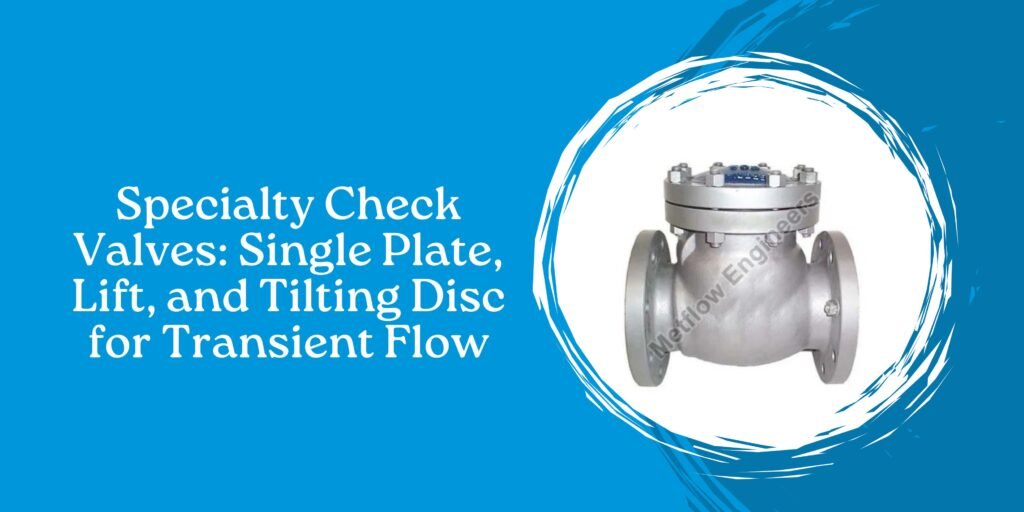
Specialty Check Valves: Single Plate, Lift, and Tilting Disc for Transient Flow

Specialty Check Valves: Single Plate, Lift, and Tilting Disc for Transient Flow

Standard Swing and Dual Plate Check Valves are common, but high-velocity, high-pressure, or slurry-laden systems demand specialized solutions. The Single Plate Check Valve offers robust, low-pressure-drop performance, while Lift Check Valves excel in small-bore, high-velocity lines. This technical guide explores advanced check valve designs engineered to manage severe transient flow and significantly reduce the damaging effects of water hammer in critical industrial pipelines.

Specialty Check Valves: Single Plate, Lift, and Tilting Disc for Transient Flow Read More »
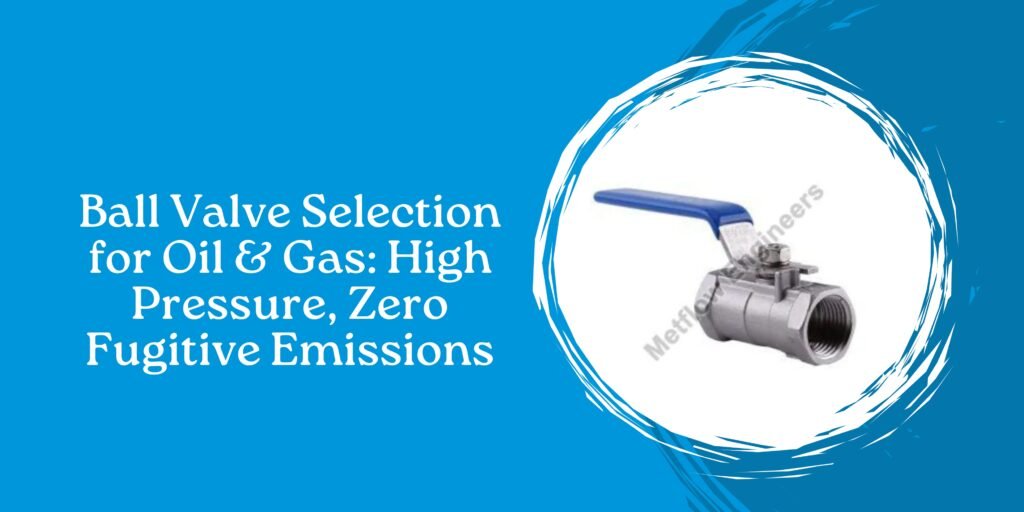
Ball Valve Selection for Oil & Gas: High Pressure, Zero Fugitive Emissions

Ball Valve Selection for Oil & Gas: High Pressure, Zero Fugitive Emissions

The petrochemical and oil & gas sectors demand valves that offer instant, reliable isolation and zero external leakage, especially when handling flammable or toxic hydrocarbons. The Ball Valve is the preferred choice for this quarter-turn isolation duty. This guide details the critical factors—from Forged construction to trunnion mounting—that ensure these valves maintain high-pressure integrity and meet stringent environmental standards for fugitive emissions.

Ball Valve Selection for Oil & Gas: High Pressure, Zero Fugitive Emissions Read More »

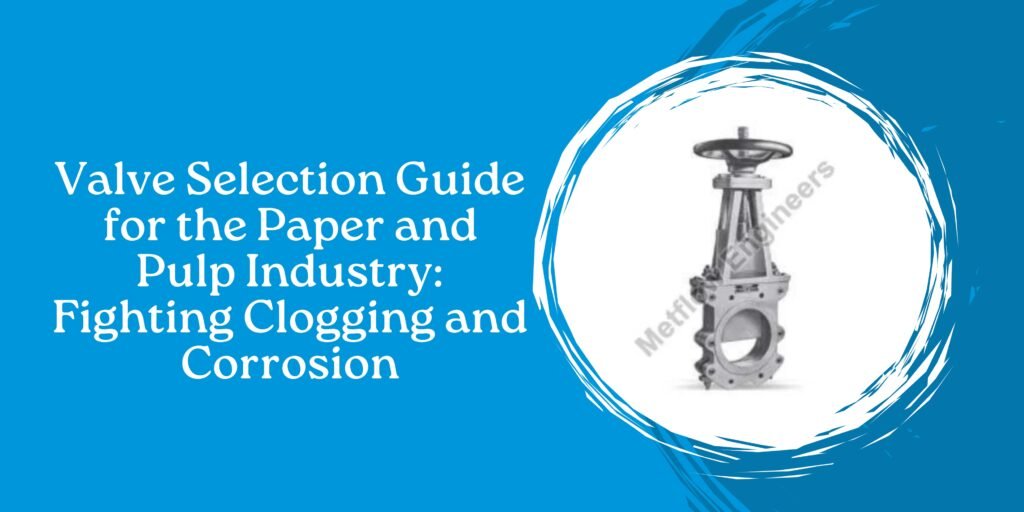
Valve Selection Guide for the Paper and Pulp Industry: Fighting Clogging and Corrosion

Valve Selection Guide for the Paper and Pulp Industry: Fighting Clogging and Corrosion

The Paper and Pulp industry is one of the harshest environments for flow control equipment. The combination of abrasive wood fiber slurries, corrosive bleaching chemicals, and high-consistency pulp requires specialized valve designs. This guide focuses on the valves engineered to survive here: the Knife Edge Gate Valve for isolation and the Stainless Steel Butterfly Valve for utility, ensuring long-term operation without downtime from clogging or corrosion.

Valve Selection Guide for the Paper and Pulp Industry: Fighting Clogging and Corrosion Read More »

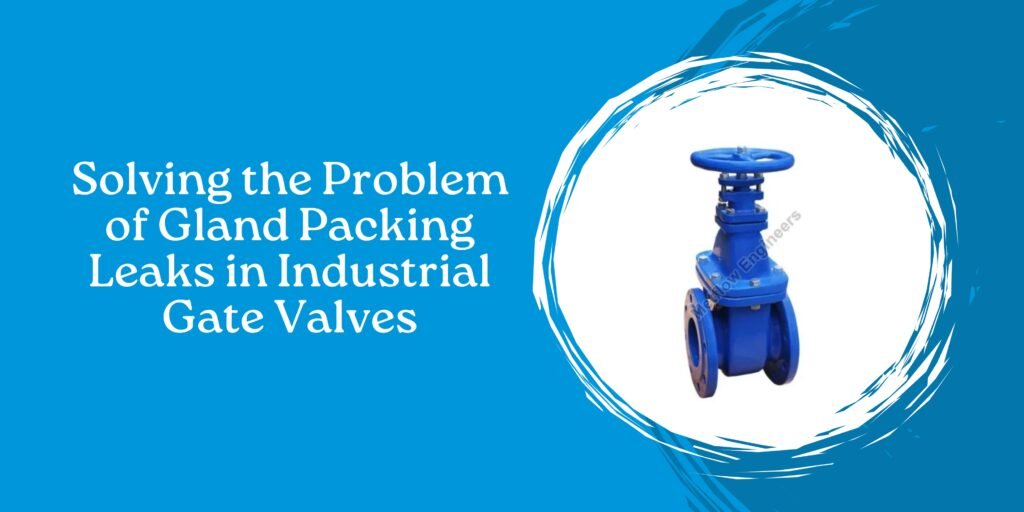
Solving the Problem of Gland Packing Leaks in Industrial Gate Valves

Solving the Problem of Gland Packing Leaks in Industrial Gate Valves

Gland packing leaks are the most frequent source of fugitive emissions and fluid loss in industrial plants, especially with high-cycle valves like Gate Valves. The root cause is rarely the packing material itself; it’s usually improper installation, thermal shock, or incorrect gland bolt torque. This guide provides maintenance engineers with actionable steps to diagnose and solve stem leakage, ensuring your Stainless Steel Gate Valves maintain a reliable seal and uphold environmental compliance.

Solving the Problem of Gland Packing Leaks in Industrial Gate Valves Read More »

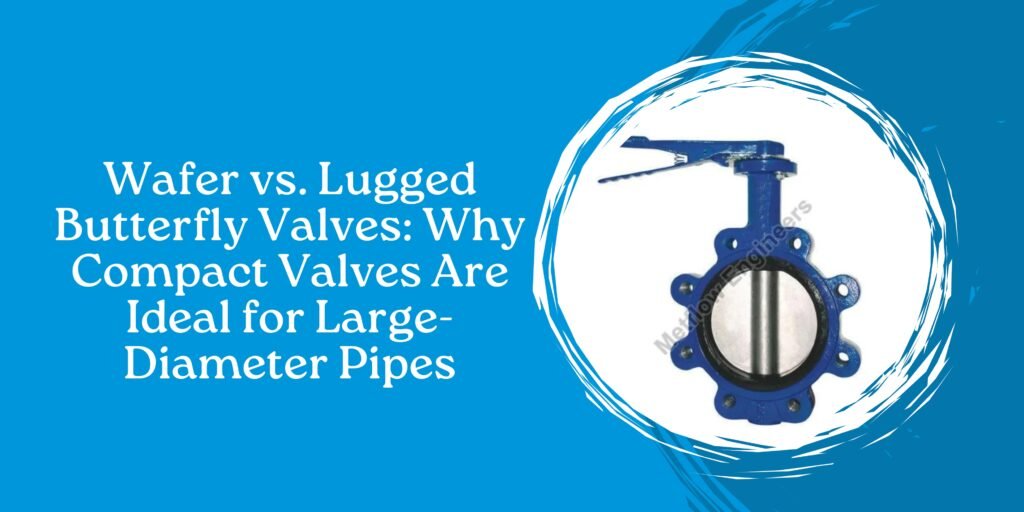
Wafer vs. Lugged Butterfly Valves: Why Compact Valves Are Ideal for Large-Diameter Pipes

Wafer vs. Lugged Butterfly Valves: Why Compact Valves Are Ideal for Large-Diameter Pipes

When dealing with large-diameter pipelines carrying non-corrosive fluids at low pressure, Butterfly Valves offer a superior combination of cost-effectiveness, compact design, and ease of operation. Unlike heavy, bulky Gate Valves, the butterfly’s quarter-turn operation and lightweight profile make it the preferred choice for utilities. Compare the installation differences between Wafer Type (for cost savings) and Lugged Type (for dead-end service) to optimize your industrial utility lines.

Wafer vs. Lugged Butterfly Valves: Why Compact Valves Are Ideal for Large-Diameter Pipes Read More »